

How to Determine the Ideal Placement for Your Home's New Piano
Choosing the right location for a new piano involves much more than finding an open corner in the home. A piano often becomes a centerpiece within a living space, influencing both the room's appearance and its functionality. Since these instruments are sensitive to environmental conditions and physical movement, placement decisions can affect their sound quality, structural condition, and long-term performance. Homeowners who invest time into thoughtful placement can help preserve the instrument while creating a more comfortable playing experience.
Many people focus primarily on decor when deciding where to place a piano, but practical considerations are equally important. Factors such as room temperature, flooring stability, accessibility, and traffic flow all contribute to how well the instrument performs over time. Careful planning and professional piano moving support can help homeowners protect their investment while creating a space that encourages regular enjoyment and use.
Evaluate Environmental Conditions Before Placement
Understand How Temperature Affects Piano Performance
Pianos contain thousands of internal components made from wood, felt, and metal. These materials naturally react to fluctuations in temperature and moisture levels. Placing a piano near heating vents, fireplaces, drafty windows, or exterior doors can expose it to repeated expansion and contraction. Over time, those changes may influence tuning stability and structural integrity.
Rooms that remain relatively consistent throughout the year are generally better suited for piano placement. Interior rooms often provide more stability than spaces directly connected to garages, sunrooms, or poorly insulated walls. According to Piano Buyer, an online resource for piano shopping, maintaining indoor conditions near 68°F with 42% relative humidity can help preserve a piano's overall condition. Professional piano movers frequently assess the destination room to identify environmental risks before positioning the instrument.
Avoid Areas With Excessive Sunlight Exposure
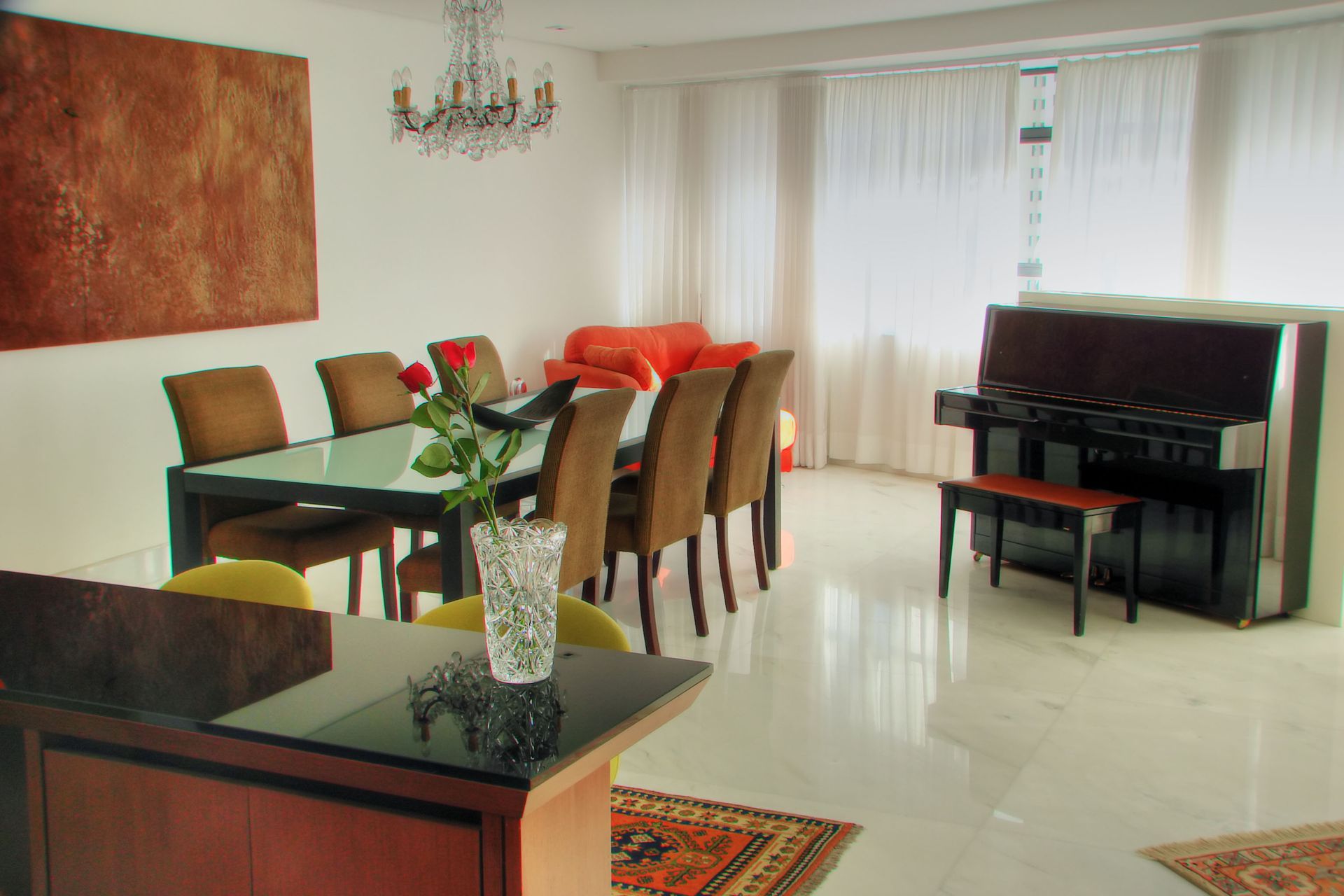
Natural light can enhance the appearance of a piano, but direct sunlight may damage finishes and internal materials over time. Continuous exposure to ultraviolet rays can cause fading, discoloration, and deterioration of wood surfaces. Dark finishes are especially vulnerable to visible fading when positioned near uncovered windows.
Sunlight can also contribute to uneven temperature changes throughout the day. One side of the piano may warm more rapidly than the other, which can create unnecessary stress on the instrument's structure. Homeowners who prefer placing a piano near windows should consider using curtains or blinds to reduce direct exposure during peak daylight hours. Professional piano moving specialists often recommend evaluating sunlight patterns before finalizing placement.
Choose a Floor That Supports the Instrument Safely
Pianos are extremely heavy instruments, and flooring conditions should always be considered before installation. Hardwood, tile, and reinforced flooring systems generally provide better long-term support than uneven or aging surfaces. Soft carpeting may create instability if the piano legs sink unevenly over time.
In multi-story homes, structural support becomes especially important. Larger grand pianos may require additional evaluation before being positioned on upper floors. Trained piano movers frequently inspect pathways and flooring conditions to help minimize stress on both the instrument and the home itself. Selecting a stable foundation helps reduce unnecessary movement after installation and contributes to better long-term performance.
Consider Room Layout and Everyday Functionality
Position the Piano Where Sound Travels Naturally
A piano's placement can significantly influence how sound carries throughout a room. Large open areas may create excessive echo, while heavily crowded rooms can muffle tonal quality. Positioning the instrument along an interior wall often provides balanced sound projection without overwhelming the surrounding space.
Room shape also affects acoustics. Rectangular rooms can cause a significant difference in sound distribution compared to square layouts, particularly with grand pianos. Testing various positions before settling on a permanent location can help homeowners identify the most comfortable listening environment. Experienced piano movers often coordinate with homeowners to test placement angles that improve both sound quality and accessibility.
Maintain Comfortable Access Around the Instrument
A piano should fit naturally within the room without disrupting daily movement patterns. Narrow walkways, blocked doorways, and crowded furniture arrangements can make the space feel restrictive. Proper spacing allows players, guests, and movers to navigate the room safely while protecting the instrument from accidental bumps or scratches.
Bench placement should also be considered carefully. Players need enough room to sit comfortably and move freely while practicing. Adequate clearance around the piano can also simplify future maintenance appointments, tuning visits, and piano moving needs if rearrangements become necessary later. Functional placement improves convenience while helping the piano remain protected from unnecessary contact.
Balance Aesthetics With Practical Placement
Many homeowners want their piano to serve as both a musical instrument and a decorative feature. While visual appeal matters, placement should not sacrifice environmental stability or accessibility simply for appearance. A beautiful room arrangement becomes less effective if the piano is exposed to damaging conditions or obstructs household traffic.
Carefully balancing form and function often leads to the best long-term results. Upright pianos may fit comfortably within living rooms, offices, or dens, while grand pianos generally require larger open spaces for proper presentation and acoustics. Professional piano moving companies frequently help homeowners evaluate positioning options that support both visual harmony and practical protection.
Plan Ahead for Safe Installation and Future Relocation
Measure Entryways and Interior Pathways Carefully
Before finalizing a room selection, homeowners should evaluate whether the piano can safely reach the intended location. Doorways, hallways, staircases, and corners may present challenges during delivery. Tight spaces increase the likelihood of accidental damage to walls, flooring, or the instrument itself if not planned properly.
Measuring pathways ahead of time allows movers to prepare the safest approach. Certain piano types may require partial disassembly before transport into the home. Experienced piano moving professionals often use specialized equipment designed to navigate difficult entry points while protecting delicate components. Proper planning helps prevent complications during installation day.
Account for Long-Term Household Changes
The ideal piano location today may not remain ideal forever. Growing families, home renovations, and furniture changes can all influence room functionality over time. Choosing a location with some flexibility can make future adjustments easier without requiring extensive rearrangement.
Homeowners should also consider how often the piano may need to be relocated within the home. Instruments positioned in difficult-to-access spaces can become more challenging to safely relocate later. Planning ahead during the initial piano moving process may reduce stress and labor costs if future changes become necessary. A thoughtful long-term strategy supports both convenience and instrument protection.
Work With Experienced Piano Movers for Placement Assistance
Pianos require specialized handling techniques that differ significantly from standard furniture relocation. Their weight distribution, internal mechanics, and delicate finishes demand careful planning and proper equipment throughout transport and installation. Experienced movers understand how to position instruments safely while minimizing risk to both the piano and the property.
Professional piano moving teams often assist homeowners with placement recommendations based on room size, flooring, accessibility, and environmental conditions. Their experience can help identify potential concerns that may not be obvious during initial planning. Whether relocating an upright piano or coordinating a complex grand piano installation, working with trained professionals can help ensure the instrument is placed securely and appropriately within the home.
Choosing the ideal location for a new piano involves balancing aesthetics, environmental stability, accessibility, and long-term practicality. Every room presents different advantages and challenges, making thoughtful evaluation essential before settling on a permanent placement. A carefully positioned piano can enhance both the home environment and the overall playing experience.
Proper planning also helps protect the instrument from avoidable damage and simplifies future maintenance or relocation needs. With support from experienced piano moving professionals, homeowners can confidently select a location that preserves the piano's condition while complementing the comfort and functionality of the living space. Are you looking for professional assistance with moving a new piano into your home? Reach out to Piano Handlers today!












Share On: