

Piano Storage
PIANO STORAGE IN San Antonio and Austin, TX.
Piano technicians point to roughly 42% relative humidity at 68 degrees as the environment these instruments were designed around, and this city averages between 63% and 71% humidity month to month. Piano Handlers provides climate-controlled piano storage in San Antonio, TX for short gaps between homes and for long holds through remodels, military deployments, and estate transitions. Pickup, disassembly, careful wrapping, storage, and redelivery all run through the same crew, inside a monitored facility that holds steady conditions year round.
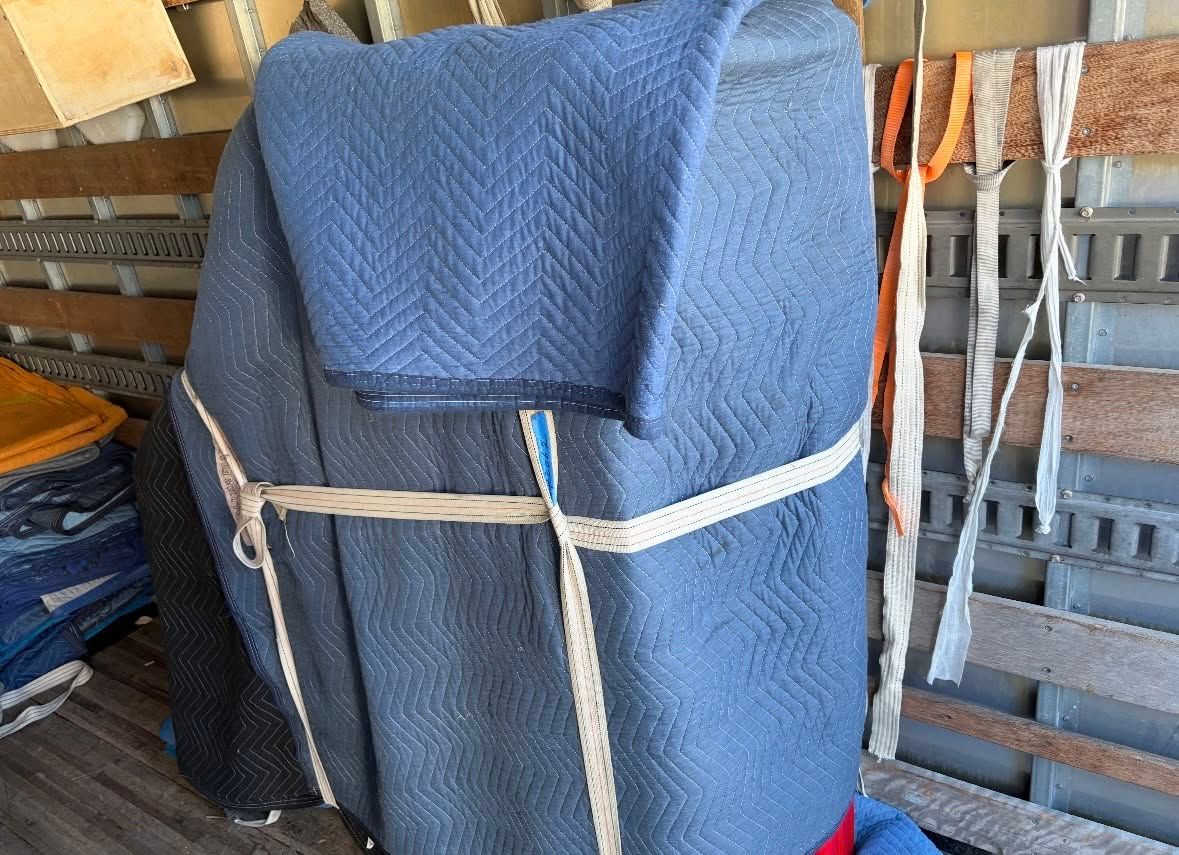
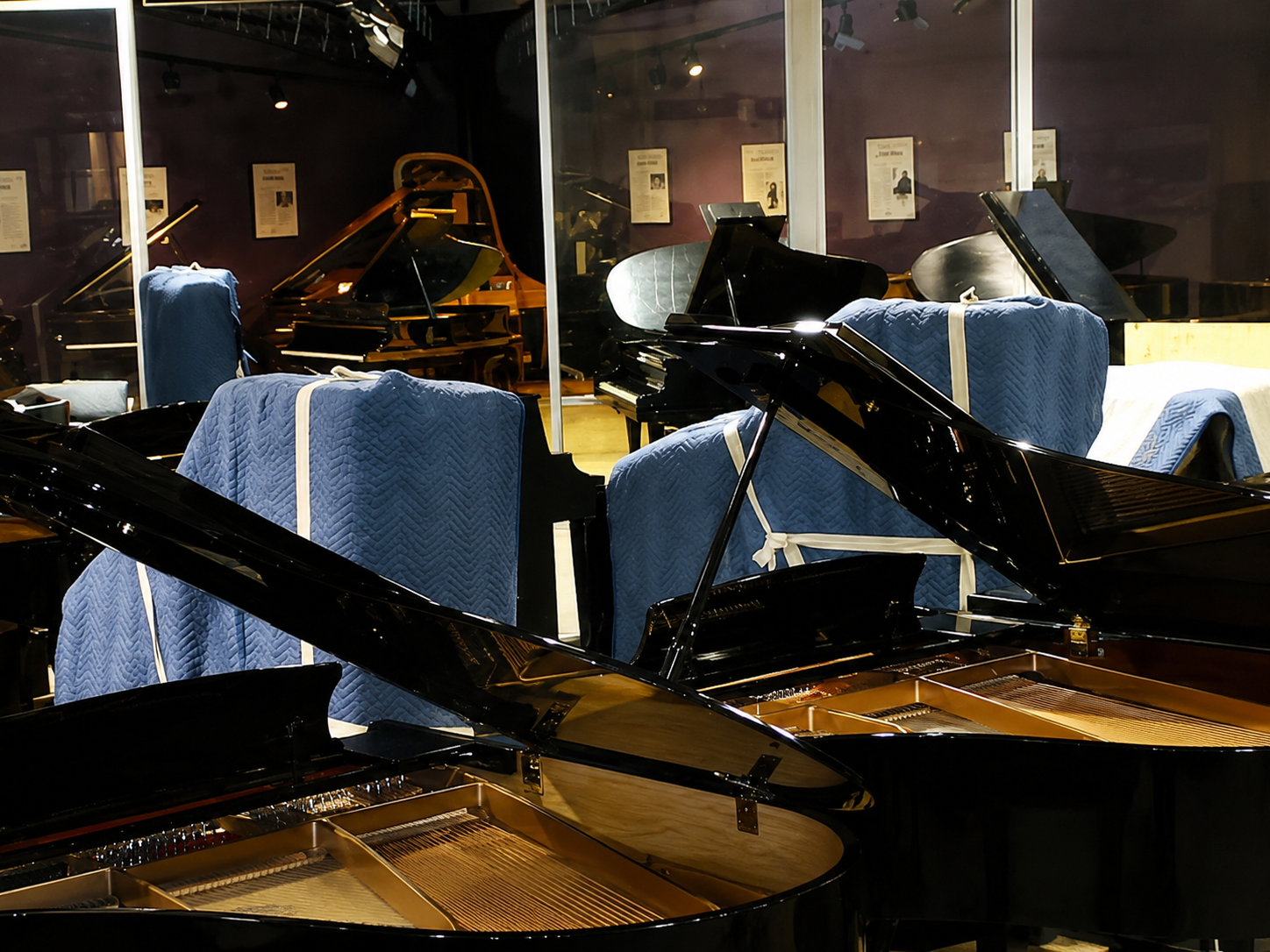
WOOD REMEMBERS EVERY PLACE IT HAS BEEN STORED.
A garage, a spare room through one hot summer, or an unconditioned rental unit will not ruin a piano in a week. The damage arrives slowly instead: glue joints loosen, tuning pins lose their grip, felt takes on moisture, and a soundboard that has swelled and shrunk a dozen times develops a crack nobody can trace to a single day.
Stable conditions prevent all of that, quietly and unremarkably. An instrument stored properly comes out needing a tuning rather than a restoration quote and a difficult family conversation at the end of it.
- Climate-controlled and monitored facility
- Short-term and long-term holds
- Pickup, disassembly, and redelivery
- Wrapped and covered while stored
PIANO STORAGE
A SELF-STORAGE UNIT IS NOT A CLIMATE-CONTROLLED FACILITY.
Rental buildings advertise climate control that frequently means a thermostat nobody checks over a holiday weekend and a unit sharing a wall with a loading bay. A piano needs conditions held steady around the clock inside a building somebody actually monitors. Ours qualifies, which is why instruments return to their owners in playing condition instead of arriving at a technician who has to quote repairs first.
SAN ANTONIO SUMMERS ARE THE REASON THIS MATTERS.
Attic and garage temperatures through a Texas July climb well past anything a pinblock enjoys sitting in. Then December arrives, the heat runs for weeks, and indoor air dries out fast. That annual cycle is what pulls instruments out of tune and out of shape over the years. Storage that removes that cycle removes most of the risk along with it, quietly and permanently.
WE HAVE HELD INSTRUMENTS THROUGH LONGER GAPS THAN PEOPLE PLAN FOR.
Families store pianos through a build running eight months past schedule, a military transfer, a parent's move into assisted living, or a probate case nobody can hurry along. Across 50 years we have kept instruments safe through every one of those situations and returned them when the family was ready, not before. There is no clock running on our side and no pressure about the instrument itself. How long do you need?
WHAT PROPER STORAGE SPARES YOU
TUNING THAT SURVIVES
An instrument held at steady humidity comes out close to where it went in. One stored in fluctuating conditions needs pitch raising, and sometimes several visits, before it holds a tuning again.
NO SURPRISE REPAIRS
Cracked soundboards, loose tuning pins, and swollen action parts are storage damage, not bad luck. Controlled conditions keep the repair conversation off the table entirely when your piano comes home.
ONE CREW END TO END
The same people who wrap and load your instrument are the people who unload and reassemble it. Nothing gets handed to a third party who never saw the piano leave your house.
TIMELINES THAT FLEX
Closings slip, builds run long, and orders change. Holds extend without drama, so nobody is forced to rush an instrument back into a room that is not ready to receive it yet.
YOUR SPACE BACK
A piano occupies a serious footprint in a house being renovated, staged, or emptied. Moving it out clears the room completely and keeps it away from dust, paint, and contractor traffic.
CALM DURING TRANSITIONS
Estates, relocations, and separations are difficult enough already. Knowing the instrument is safe somewhere monitored removes one decision from a list that is usually far too long.
WHAT WE STORE
OUR PIANO STORAGE WORK
Storage needs vary from a two-week gap to an open-ended hold with no return date attached. These are the arrangements our San Antonio customers ask for most often across the year.
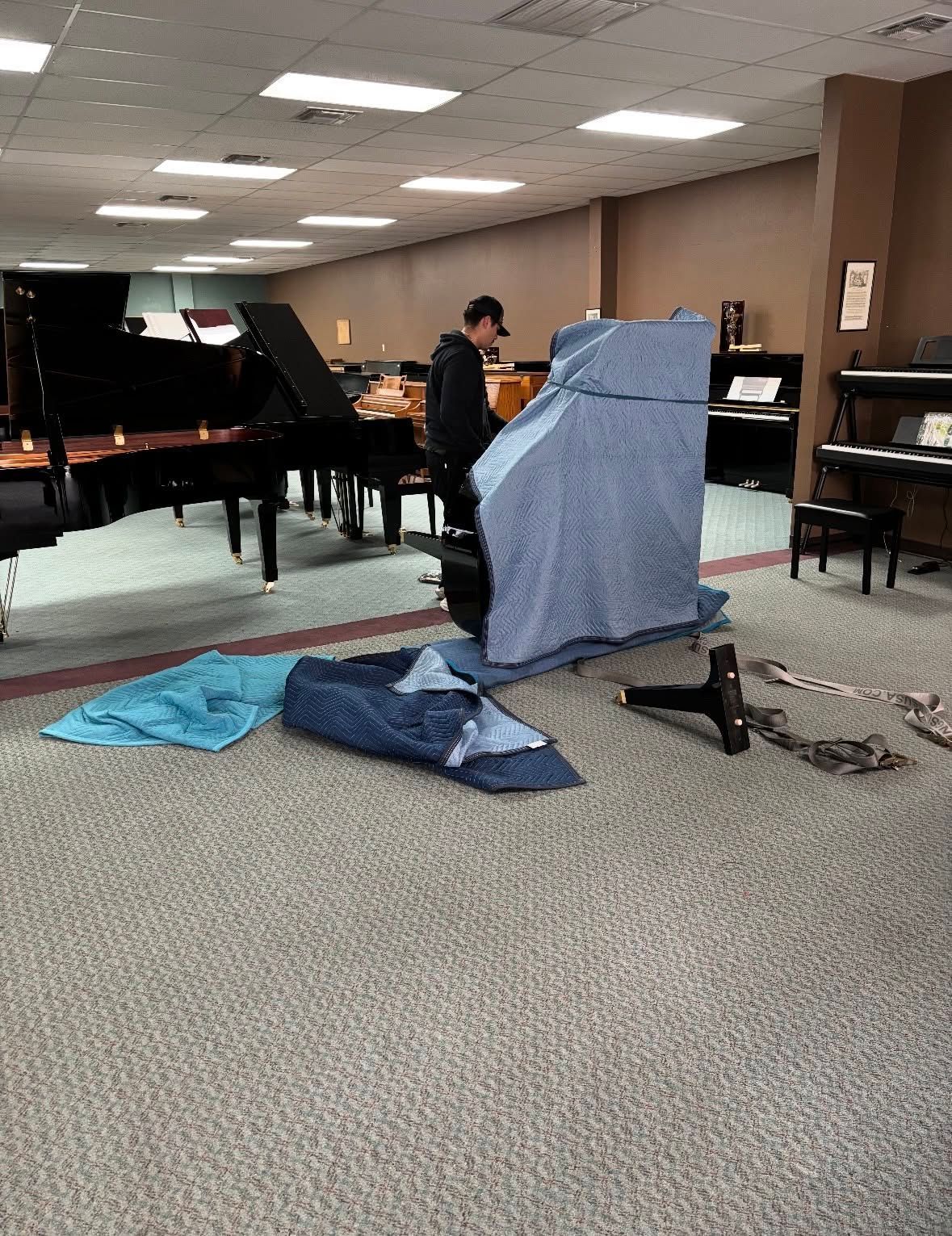
SHORT TERM
Short-Term Piano Storage
Closing dates rarely align perfectly. Your instrument waits a few days or a few weeks in controlled conditions, then travels to the new address as soon as the room is genuinely ready for it.
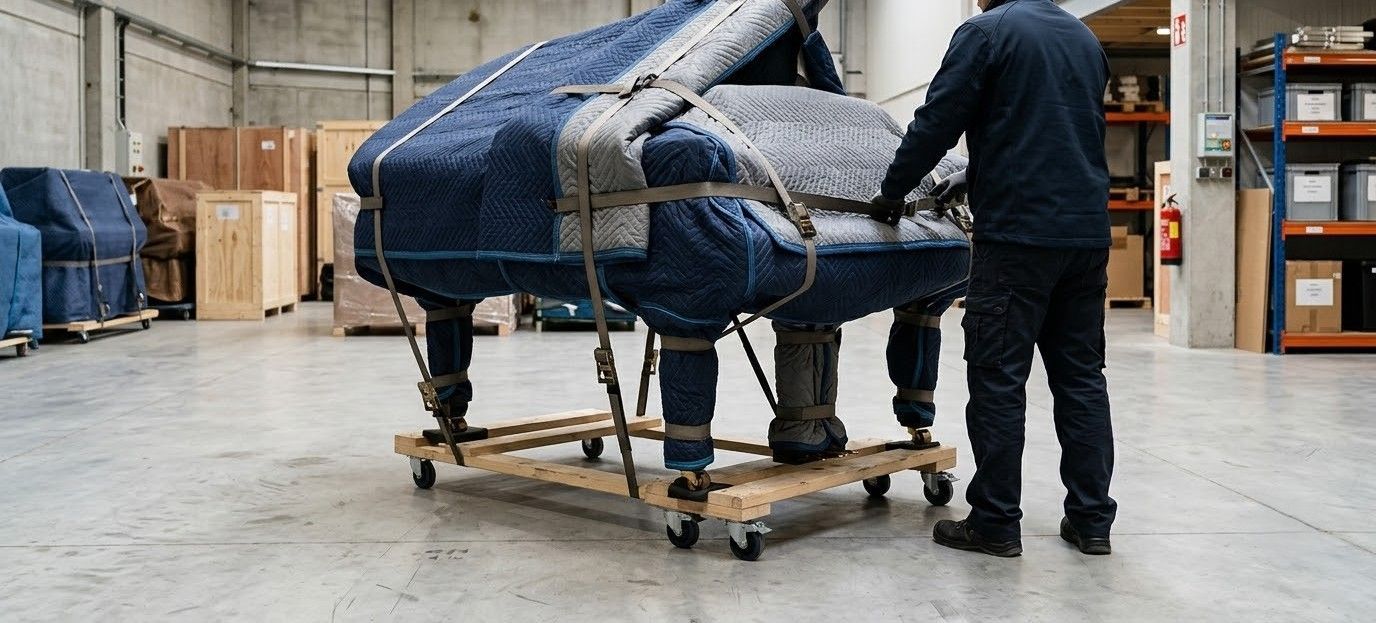
LONG TERM
Long-Term Piano Storage
Deployments, extended travel, and unsettled plans call for months rather than weeks. Conditions stay identical over a long hold, and there is no penalty for needing more time than originally expected.
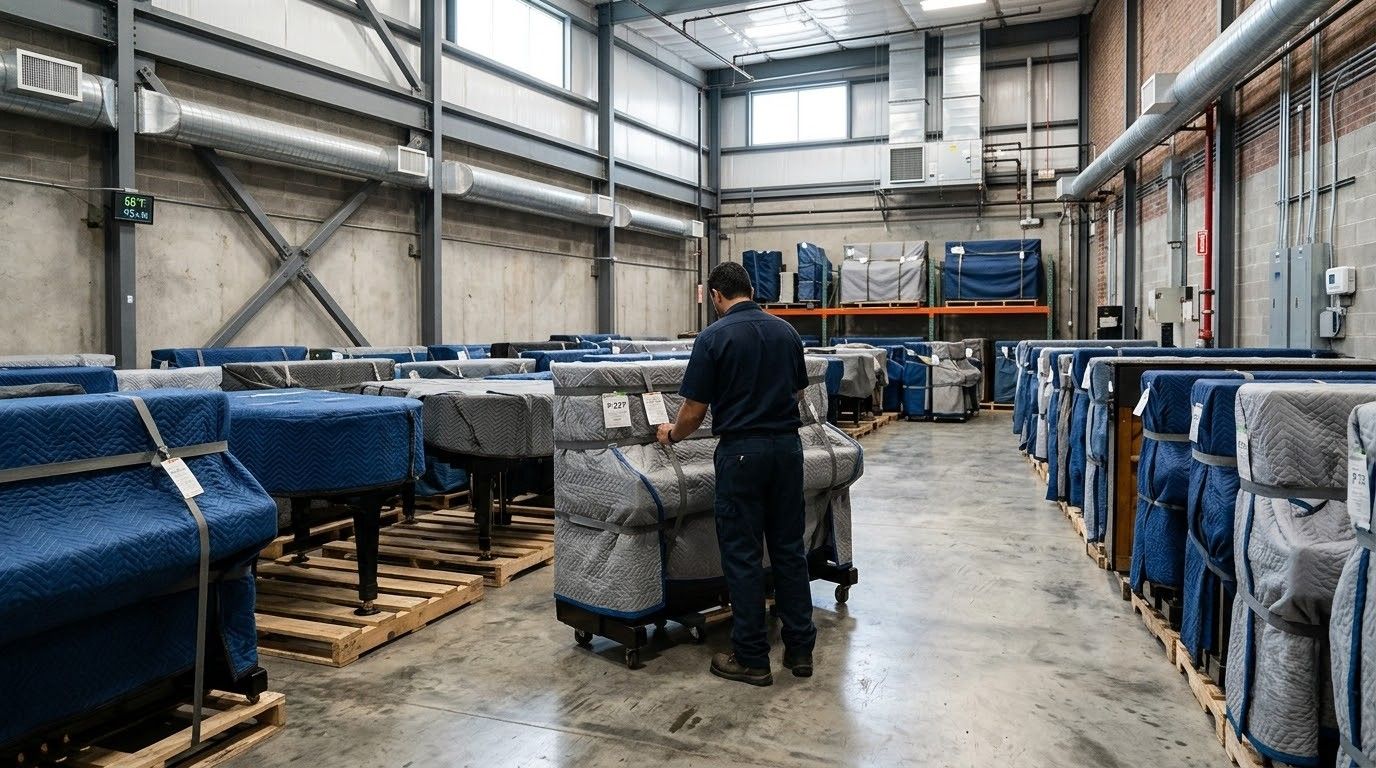
CLIMATE HELD
Climate-Controlled Storage Environment
Temperature and humidity stay within the range these instruments were built around. That steadiness protects soundboards, pinblocks, glue joints, and felt far better than any wrapping material can manage alone.
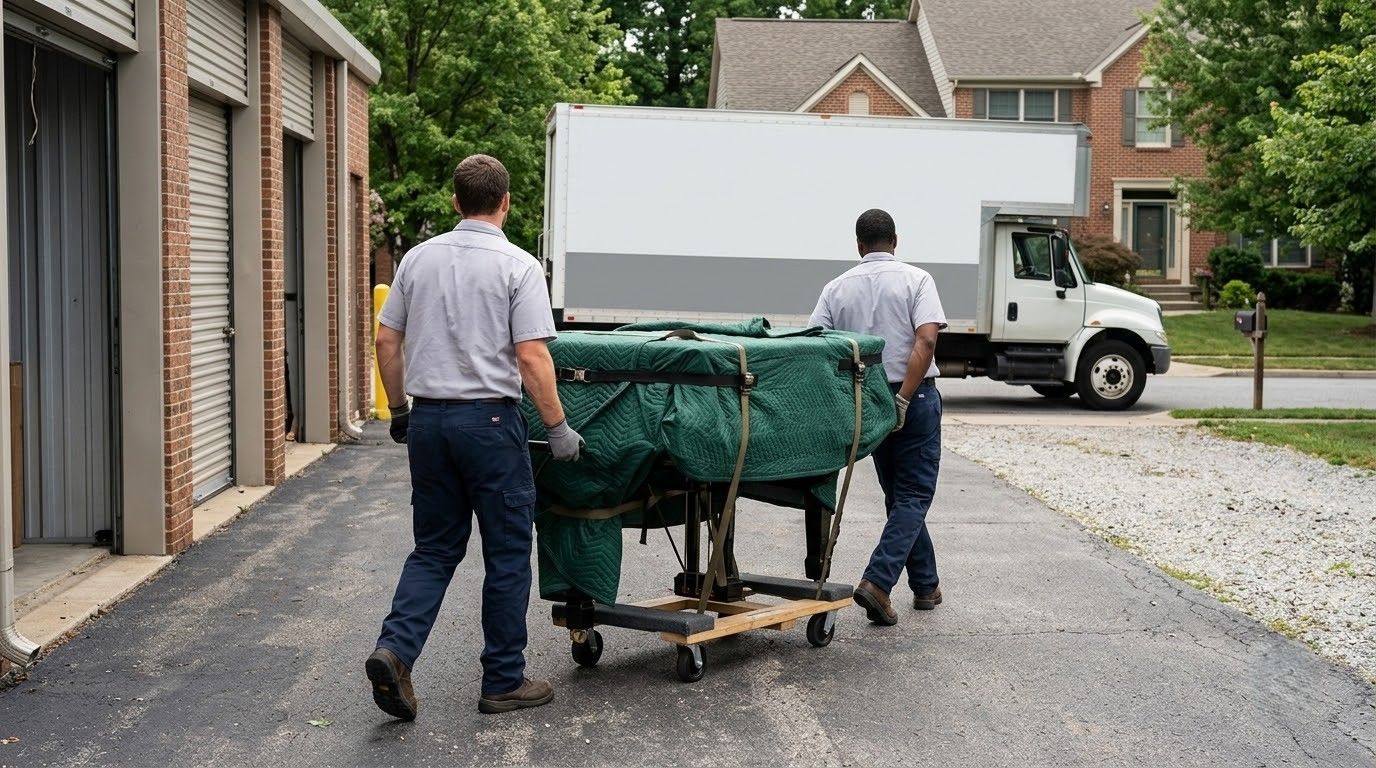
DOOR TO DOOR
Pickup and Redelivery Service
Collection, wrapping, transport, storage, and the return trip run as one arrangement. Disassembly and reassembly are included where the instrument requires it, so nothing is left for somebody else to sort out.

ESTATE HOLDS
Estate and Transition Storage
When a household is being settled and decisions cannot be rushed, the instrument stays protected. Families get the time they need to sell, donate, or divide without racing a storage deadline.
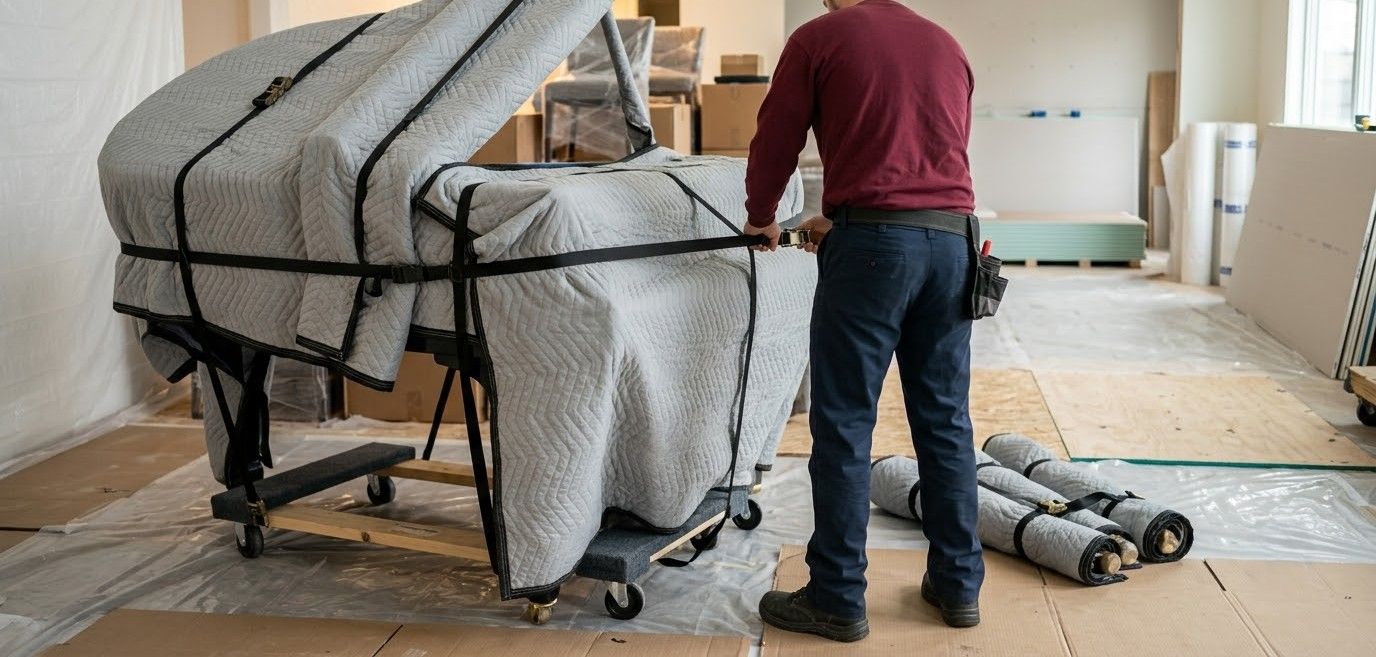
RENOVATION GAPS
Storage During Remodels and Repairs
Refinished floors, new drywall, and roof work fill a house with dust and temperature swings. Moving the piano out first keeps construction debris out of an action that is genuinely difficult to clean.
THE WORD ON OUR WORK
WHAT OUR CLIENTS SAY.
Storage customers tend to notice one thing above all: the instrument came back exactly the way it left. Our 4.8 rating across 128 ratings and reviews reflects moves and long holds alike, and the feedback about redelivery day stays just as consistent.
faq
frequently asked
questions.
Storing a piano raises questions that a regular storage unit never does. Here are the ones customers ask before handing an instrument over for a few weeks or a few years.
Can a piano be stored in a garage or an attic?
Neither is safe for anything beyond a day or two. Both spaces swing dramatically in temperature and humidity, and that cycling is what loosens glue joints, warps soundboards, and destroys tuning stability over time.
What humidity level should a piano be stored at?
Around 42% relative humidity at roughly 68 degrees is the commonly cited target. Consistency matters even more than the exact number, because repeated swings do far more damage than a steady reading slightly off ideal.
Should a piano be covered while it is in storage?
Yes, with breathable padding rather than sealed plastic. Plastic traps moisture against the finish and inside the case, which creates exactly the damp microclimate that storage is supposed to prevent in the first place.
Can a grand piano be stored on its side?
It can, on a padded board with legs and lyre removed, and this is standard practice. The plate and strings tolerate that position indefinitely, and it uses considerably less floor space than storing the instrument assembled.
How long can a piano stay in storage safely?
In controlled conditions, years. Long holds are routine at Piano Handlers for deployments and estates across San Antonio, TX. The variable is the environment rather than the calendar, so a monitored facility makes duration far less important.
Will a piano need tuning after coming out of storage?
Plan on it. Even with stable storage, the instrument moves into a room with different conditions and needs a few weeks to settle before a technician can put a tuning on it that will hold.
Should a piano be tuned before it goes into storage?
There is little benefit. String tension shifts during the hold and again after redelivery, so the money is better spent on a tuning once the instrument is back in its permanent room and settled.
Why should we choose Piano Handlers for piano storage in San Antonio, TX?
Our facility is climate-controlled and monitored, and the crew that collects your instrument is the crew that brings it home. Piano Handlers has served San Antonio, TX for 50 years, family-owned throughout.
HOW WE WORK
FROM PICKUP TO REDELIVERY, HERE IS HOW STORAGE RUNS.
STEP 01
Describe the Instrument and the Timeline
We ask what kind of instrument you own, where it sits right now, and roughly how long you expect to need it stored. An open-ended answer is completely fine, because holds extend later without any renegotiation.
STEP 02
Receive Your Free Estimate
A written estimate covering pickup, wrapping, storage, and redelivery arrives within 1 to 3 business days. You will know the full arrangement, start to finish, before anything at all gets loaded onto a truck.
STEP 03
Prepare and Collect
The crew arrives on schedule, disassembles whatever needs disassembling, carefully wraps the instrument in breathable padding rather than plastic, and loads it using boards and straps sized for its weight and its shape.
STEP 04
Store Under Controlled Conditions
Your piano enters a monitored, climate-controlled space and stays covered for the whole hold. Temperature and humidity stay steady regardless of what the weather outside is doing that particular week, month, or season.
STEP 05
Confirm the Return Date
When your room is finally ready, tell us. Scheduling stays flexible right through the hold, and we would rather wait an extra week than deliver an instrument into fresh paint or unfinished flooring.
STEP 06
Redeliver, Reassemble, and Place
The same crew returns the piano, rebuilds it, levels the casters, and sets it exactly where you want it. Give the instrument two to four weeks to settle in the room, then book a tuning.
GET YOUR FREE ESTIMATE
TELL US HOW LONG YOU NEED. THE ESTIMATE IS FREE.
Reach us through the request form or contact page with your instrument type, its current address, and your rough timeline. A written estimate covering pickup, storage, and redelivery follows within 1 to 3 business days.
WHAT YOUR STORAGE ESTIMATE COVERS:
- Pickup and wrapping at your address
- Disassembly where the instrument needs it
- Climate-controlled, monitored storage space
- Flexible short-term and long-term holds
- Redelivery and full reassembly
- Placement in the room you choose